
Real Estate Frankfurt
Frankfurt combines an international labour market with highly differentiated residential submarkets. International buyers can generally acquire German real estate without a special residence-based purchase permit, but financing, tax, sanctions and anti-money-laundering requirements remain case-specific.
Das Wichtigste vorab
Real Estate Frankfurt auf einen Blick
Schwerpunkt
Why International Investors Choose Frankfurt Real EstateFrankfurt’s appeal to foreign buyers is grounded in hard numbers, not hype. As of early 2026, the city’s residential market has stabilised after the interest rate adjustments of 2023–2024, and prices in prime locations…Schwerpunkt
Buy Property Germany – The Legal Framework for Foreign NationalsGerman law generally does not require a special residence-based permit merely because a buyer is a foreign national. Financing, taxation, sanctions and anti-money-laundering checks must nevertheless be assessed individually.Schwerpunkt
Buy Property Frankfurt – Market Overview and Price Levels 2026The Frankfurt residential real estate market in 2026 presents a nuanced picture. After a correction phase in 2023 and early 2024 triggered by rising ECB interest rates, the market has found its footing. Transaction…Schwerpunkt
Buy Apartment Frankfurt – What International Buyers Need to Know About…For most international investors, buying an apartment in Frankfurt (Eigentumswohnung) is the most practical entry point into the German real estate market. Condominiums offer lower capital requirements, professional…Inhaltsverzeichnis
- 01Why International Investors Choose Frankfurt Real Estate
- 02Buy Property Germany – The Legal Framework for Foreign Nationals
- 03Buy Property Frankfurt – Market Overview and Price Levels 2026
- 04Buy Apartment Frankfurt – What International Buyers Need to Know About Condominiums
- 05How to Buy Property in Frankfurt – Step by Step
- 06Transaction Costs When Buying Property in Frankfurt
- 07Financing Real Estate in Frankfurt as a Foreign Buyer
- 08Tax Considerations for International Property Investors in Germany
- 09Best Neighbourhoods to Buy Property in Frankfurt
- 10Rental Market and Yield Expectations in Frankfurt
- 11Property Management for International Owners
- 12Common Mistakes International Buyers Make When Purchasing Real Estate in Frankfurt
- 13Why Work with a Local Expert When Buying Property in Frankfurt
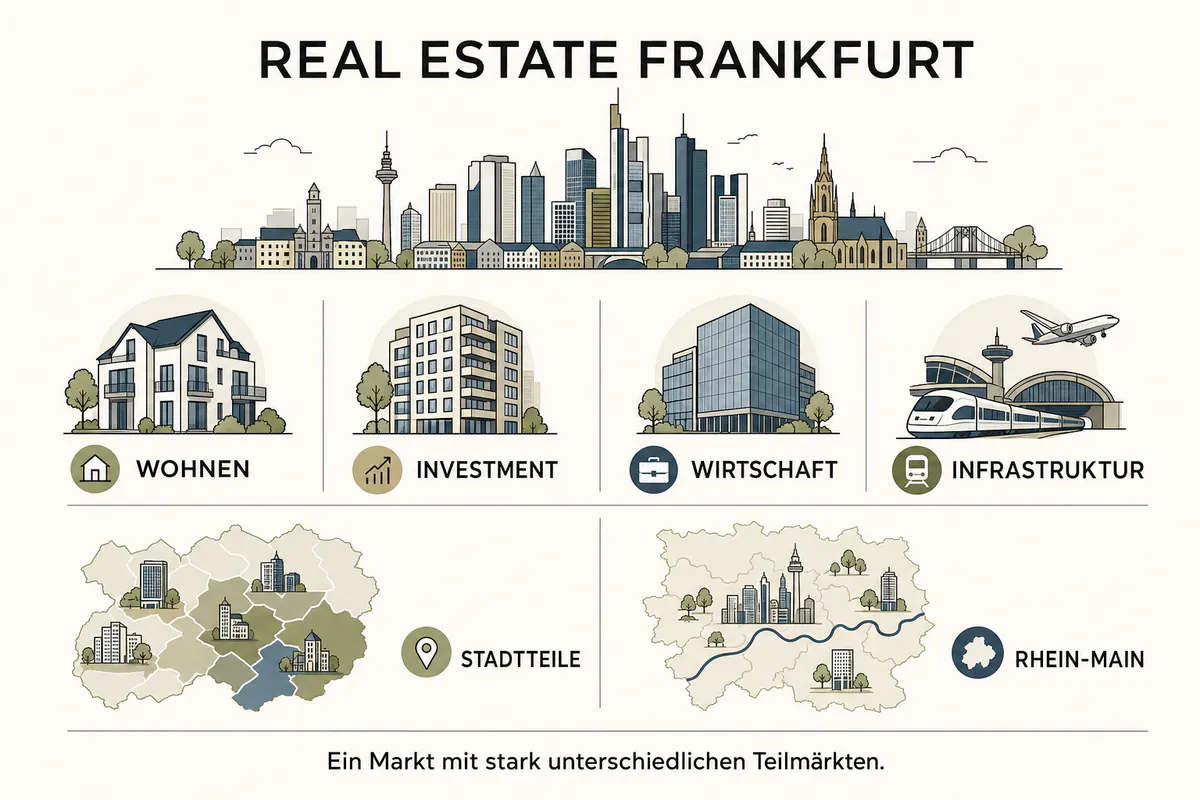
Frankfurt am Main combines an international labour market with highly differentiated residential submarkets. For international buyers, the city can offer attractive opportunities, but neither rental yield nor future appreciation is guaranteed. Purchase price, tenancy, financing, building condition and tax residence must be assessed for the individual property.
Whether you are considering your first apartment purchase in Frankfurt or assembling a diversified German property portfolio, this guide walks you through every step — from the legal framework for non-citizens to the specific neighbourhoods delivering the strongest returns in 2026.
Why International Investors Choose Frankfurt Real Estate
As of the article’s original early-2026 market snapshot, financing conditions, energy performance and the quality of the individual micro-location had become central to pricing. Asking-price ranges and gross yields vary substantially by district, property type, tenancy and condition; a general city-wide return promise would be misleading.
The city’s economic fundamentals remain exceptionally robust. Frankfurt hosts the European Central Bank (ECB), Deutsche Bundesbank, and the headquarters of major financial institutions including Deutsche Bank, Commerzbank, and DZ Bank. Post-Brexit relocations have brought thousands of additional banking professionals and their families to the Rhine-Main metropolitan region, driving sustained demand for quality housing in central districts. The metro area’s population has grown by approximately 8 percent over the past decade and is projected to continue expanding.
German law generally does not require a special purchase permit merely because a buyer is a foreign national or non-resident. This does not mean that every transaction proceeds under identical conditions: sanctions, anti-money-laundering checks, tax residence, corporate structures, powers of attorney and financing requirements can materially affect the process. These points should be reviewed before an offer becomes binding.

Buy Property Germany – The Legal Framework for Foreign Nationals
Foreign nationals and non-residents can generally acquire German real estate without a residence-based acquisition permit. Nationality and residence may nevertheless affect financing, tax filing, beneficial-owner documentation, sanctions checks and the recognition of foreign documents. Cross-border structures require individual legal and tax advice.
The Role of the Notar in German Property Transactions
A contract transferring German real estate requires notarisation. The Notar is independent and impartial, identifies the parties, explains the legal significance of the transaction and handles the agreed conveyancing steps. The land register may contain mortgages, easements or other rights; the contract must state which entries remain and which are to be discharged. Notarial and land-register fees are governed by the GNotKG and depend on the specific transactions and values involved.
If a party is not sufficiently proficient in the language of the deed, § 16 BeurkG requires the deed to be translated instead of merely read to that party. If the Notar does not translate personally, an interpreter must be involved. A written translation can be requested. Whether an interpreter is generally sworn and who arranges the appointment should be agreed with the Notar in advance.
Understanding the Grundbuch (Land Registry)
German land ownership is recorded in the Grundbuch maintained by the competent local court, and ownership is transferred through conveyance and registration. The register also records relevant rights and encumbrances. It provides a high degree of legal reliability, but buyers must still review the exact entries, referenced documents and contractual arrangements.
Power of Attorney for Remote Purchases
A party who cannot attend may be represented if the power of attorney satisfies the form and authentication requirements for the intended transaction. Whether an apostille, legalisation, additional certification or later approval is required depends on the issuing country and document. The wording and recognition route should be coordinated with the German Notar before signing abroad.
Buy Property Frankfurt – Market Overview and Price Levels 2026
The Frankfurt residential real estate market in 2026 presents a nuanced picture. After a correction phase in 2023 and early 2024 triggered by rising ECB interest rates, the market has found its footing. Transaction volumes are recovering, and prices in prime and good locations are once again appreciating, albeit at a more sustainable pace than during the 2015–2022 boom years.
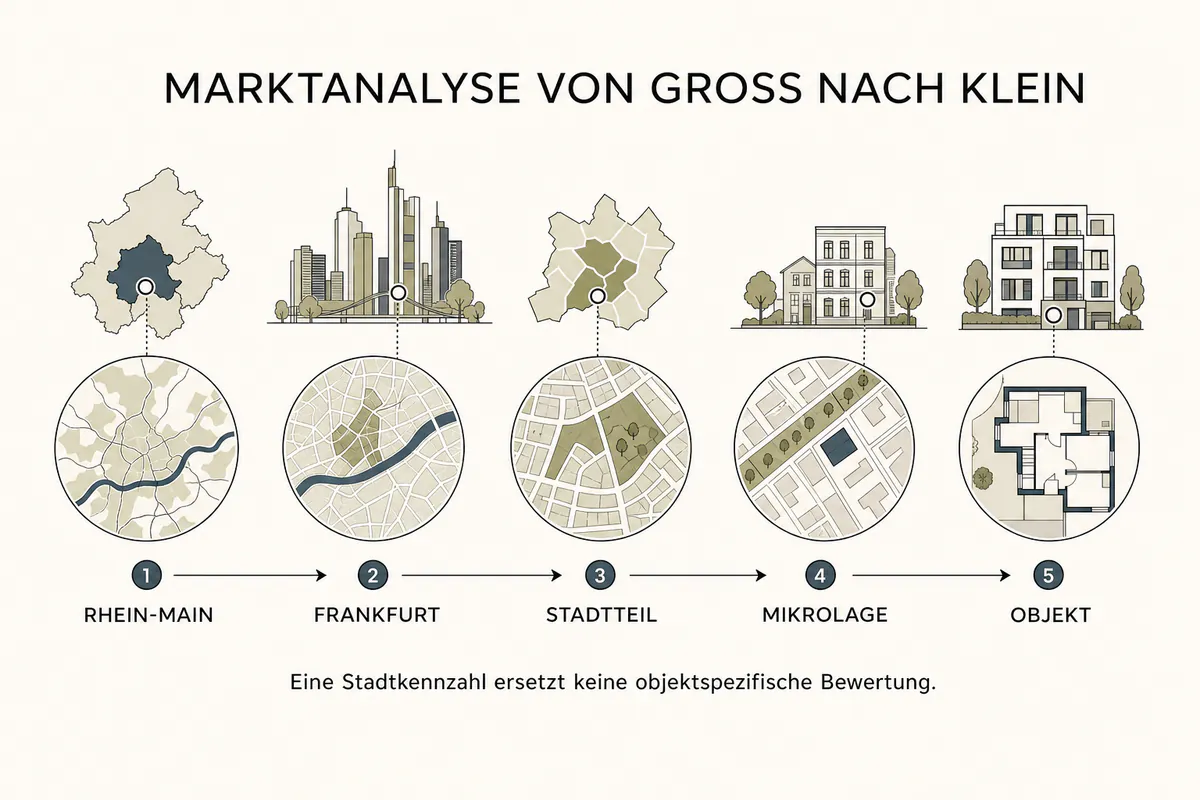
The price ranges in this section were compiled as an early-2026 asking-price orientation. They are not transaction prices and should not be transferred to a specific apartment or house without adjustment for micro-location, condition, energy performance, occupancy, rights and documentation. For a current decision, use a valuation date and suitable market data for the individual submarket.
International city comparisons can be distorted by different definitions, property types, currencies and data sources. For that reason, a purchase decision should be based on comparable Frankfurt properties and, where available, transaction-based local market data rather than broad comparisons with London, Paris or Munich.
Buy Apartment Frankfurt – What International Buyers Need to Know About Condominiums
For most international investors, buying an apartment in Frankfurt (Eigentumswohnung) is the most practical entry point into the German real estate market. Condominiums offer lower capital requirements, professional property management structures, and excellent liquidity compared to whole buildings. Understanding the German condominium framework is essential before making an offer.
The Wohnungseigentümergemeinschaft (WEG) Structure
When you buy an apartment in Frankfurt, you become a member of the building’s Wohnungseigentümergemeinschaft (WEG) — the community of apartment owners. This legal entity manages all shared areas (stairwells, roof, facade, garden, parking) and is governed by a set of rules called the Teilungserklärung (declaration of division) and the Gemeinschaftsordnung (community regulations). Decisions are made by majority vote at the annual owners‘ meeting (Eigentümerversammlung).
Before purchasing an apartment, buyers should review the Teilungserklärung and Gemeinschaftsordnung, Wirtschaftsplan, annual statements, meeting minutes, Beschlusssammlung and the available information on the Erhaltungsrücklage. These documents help identify approved or discussed works, special assessments and the financial structure of the community, but they do not replace a technical inspection.
Hausgeld and Running Costs
Every apartment owner pays a monthly Hausgeld — the equivalent of a service charge or HOA fee — covering building maintenance, property management, insurance, cleaning, and contributions to the reserve fund. In Frankfurt, typical Hausgeld ranges from €3.00 to €5.50 per square metre per month, depending on the building’s age, facilities (elevator, underground parking, concierge), and maintenance status. Only a portion of these costs can be passed on to tenants via the Nebenkostenabrechnung (service charge statement), so buyers should factor the non-recoverable portion into their yield calculations.
New-Build vs. Existing Apartments
New-build apartments may offer modern energy standards and current layouts. Under § 634a BGB, certain construction-related claims generally expire five years after acceptance, but the contract, scope and commencement of the period must be checked. Existing apartments can require additional investment; there is no general rule that every purchased apartment must achieve energy class D. The building certificate, heating system, applicable GModG requirements and planned works should be assessed individually.
How to Buy Property in Frankfurt – Step by Step
The German property purchase process follows a structured, legally regulated path. While the timeline can vary, a typical transaction from first viewing to Grundbuch registration takes between two and four months. Here is the complete sequence for international buyers.
Step 1 – Define Investment Criteria and Secure Financing
Before beginning your property search, clarify your investment goals: owner-occupation or rental investment? Apartment or house? Central Frankfurt or suburban Rhine-Main? Budget and expected yield? Equally important: arrange your financing in advance. German sellers and agents take offers more seriously when a buyer can present a financing confirmation (Finanzierungsbestätigung) from a reputable bank. This is especially true for non-resident buyers, where the financing question is the most common cause of deal failure.
Step 2 – Property Search and Selection
Major German property portals such as Immobilienscout24, Immowelt, and Immonet list the majority of publicly available properties. However, in a competitive market like Frankfurt, many premium and off-market properties never appear on public portals. Engaging a well-connected local real estate agent with access to off-market inventory significantly expands your options — particularly in the luxury segment above €1 million, where discretion is valued and personal networks drive transactions.
Step 3 – Due Diligence and Offer
Once you identify a suitable property, conduct thorough due diligence. For apartments, this includes reviewing the Teilungserklärung, WEG Protokolle, Hausgeld statements, Energieausweis, and any existing tenancy agreements (Mietvertrag). For houses, a structural survey and Grundbuch extract are essential. After due diligence, submit a written offer. Unlike in some countries, verbal agreements have no legal force in German real estate — only the notarised Kaufvertrag is binding.
Step 4 – Notarisation of the Purchase Contract
Once the terms are agreed, the intended contract text is prepared for review. For notarial consumer contracts involving real estate, § 17(2a) BeurkG states that the Notar should normally make the intended text available to the consumer two weeks before notarisation. This is not a universal rule for every private transaction. After signing, the Notar processes the priority notice and other contractual conditions. Purchase money is normally paid directly after the Notar’s maturity notice; a Notaranderkonto is used only where a justified security interest exists.
Step 5 – Payment, Transfer Tax, and Registration
After notarisation, the Notar monitors the contractual requirements for payment and issues a maturity notice when they are satisfied. The buyer also receives the Grunderwerbsteuer assessment; the Hessian rate is currently 6.0 percent. The tax authority’s clearance certificate is generally required for registration of the new owner, but it is not the Notar’s trigger for arranging the contractual purchase-price payment. Timelines vary with authorities, financing and discharge of existing rights.
Transaction Costs When Buying Property in Frankfurt
Ancillary costs must be calculated for the actual transaction. In Hesse, Grunderwerbsteuer is currently 6.0 percent. Notarial and land-register fees depend on the relevant values and transactions. A broker’s commission is contractually agreed; there is no statutory Hessian percentage. For qualifying purchases of apartments and single-family homes by consumers, §§ 656c and 656d BGB restrict how commission can be divided, but do not prescribe a universal 3.57 percent share. Whether a lender finances any ancillary costs is a credit decision, not a legal prohibition.
Financing Real Estate in Frankfurt as a Foreign Buyer
Mortgage financing for a non-resident is possible, but lender policies vary. Residence, currency and source of income, credit history, property type and equity contribution can all affect eligibility and terms. Fixed equity percentages should not be assumed before an individual bank assessment.
Documentation Required for Non-Resident Mortgage Applications
German banks typically require the following from non-resident applicants: a valid passport, proof of income for the last two to three years (employment contracts, salary statements, or tax returns for self-employed individuals), a detailed personal financial statement (Selbstauskunft) listing all assets and liabilities, bank statements from the last three to six months, and the property’s documentation (Exposé, Grundbuchauszug, Teilungserklärung for apartments). All documents in languages other than German or English may need certified translation. It is advisable to begin the financing process well before identifying a specific property — a pre-approval letter significantly strengthens your negotiating position.
Tax Considerations for International Property Investors in Germany
Germany’s tax regime for real estate investors is straightforward but consequential. International buyers should understand three key tax dimensions before committing capital.
Rental Income Tax
Income from German real estate may be taxable in Germany even where the owner is non-resident. The tax base, rates, deductible expenses and filing obligations depend on ownership structure, personal circumstances and the applicable double-taxation agreement. Building depreciation under § 7 EStG currently uses different statutory rates depending, among other things, on completion date; only the building portion is depreciable. Interest, maintenance, management and travel expenses are deductible only where the statutory conditions are met.
Capital Gains Tax and the 10-Year Rule
Under § 23 EStG, a disposal of German real estate held as private property can constitute a private sale transaction where no more than ten years lie between acquisition and disposal. The provision also contains an owner-occupation exception. A sale after more than ten years is generally outside this particular rule, but commercial property trading, business assets, corporate ownership and taxation in another country can lead to different results. Tax advice should be obtained before fixing the signing date.
Double Taxation Agreements
Germany has double-taxation agreements with many jurisdictions. The allocation of taxing rights, credit or exemption method and filing obligations depend on the specific treaty, tax residence and ownership structure. The applicable treaty must be checked rather than inferred from a general rule.
Best Neighbourhoods to Buy Property in Frankfurt
Frankfurt’s distinct neighbourhoods offer very different investment profiles. Here is a condensed guide to the most relevant districts for international buyers.
Westend – Frankfurt’s Premier Residential Address
The Westend, particularly the Westend-Süd sub-district, is Frankfurt’s most prestigious residential quarter. Grand Wilhelminian-era buildings line tree-shaded avenues, many consulates are located here, and the Palmengarten botanical garden forms its green heart. Prices range from €6,500 to €15,000+ per square metre. Rental demand from senior banking professionals and diplomats is consistently strong, and vacancy rates are virtually zero. The Westend is the benchmark location for luxury real estate in Frankfurt.
Nordend – Character and Yield
The Nordend combines the charm of historic Altbau architecture with a vibrant cultural scene and excellent transport links. It is Frankfurt’s most popular district among young professionals and families. Prices typically range from €5,000 to €8,000 per square metre, and the combination of stable rental demand, low turnover, and long-term price appreciation makes it one of the most balanced investment locations in the city.
Sachsenhausen – Tradition Meets Riverside Living
Located south of the Main river, Sachsenhausen offers proximity to the Museumsufer (museum embankment), excellent gastronomy, and direct access to the city forest (Stadtwald). Alt-Sachsenhausen has a more traditional character, while the areas along Schweizer Straße and the Mainufer attract upscale buyers. Prices range from €4,800 to €9,000 per square metre. Sachsenhausen delivers solid rental yields and appeals especially to tenants who value lifestyle quality alongside urban convenience.
Europaviertel and the Gallus – New Frankfurt
Frankfurt’s Europaviertel is one of Europe’s largest inner-city development areas. Completed residential towers and modern apartment complexes offer contemporary living directly west of the Messe (trade fair grounds). Prices for new-build apartments range from €6,000 to €9,500 per square metre. The adjacent Gallus district, formerly working-class, is experiencing rapid gentrification with significant new-build activity. Both areas appeal to investors seeking newer stock with lower maintenance requirements and strong tenant demand from the nearby banking quarter and Messe.
Suburban Growth – Bad Vilbel, Kronberg, Oberursel
International buyers with families or those seeking houses rather than apartments should consider Frankfurt’s affluent suburban ring. Bad Vilbel (northeast), Kronberg (northwest, Taunus foothills), and Oberursel offer excellent international schools, green surroundings, and S-Bahn connections to central Frankfurt within 15 to 25 minutes. Detached houses in these communities typically range from €650,000 to €2.5 million depending on size, condition, and plot. These markets are particularly popular with expat families on multi-year corporate assignments.
Rental Market and Yield Expectations in Frankfurt
Frankfurt’s rental market operates under strong structural demand. The city’s vacancy rate for residential properties has hovered below 1 percent for several years, and new construction volumes remain far below the estimated annual demand of 6,000 to 8,000 new units. This supply-demand imbalance supports stable rental growth and protects investors against prolonged vacancy periods.
Average asking rents in Frankfurt currently range from approximately €14 to €20 per square metre per month for existing apartments in established locations, and €18 to €25 per square metre for new-build or recently renovated properties in prime districts. Gross rental yields for well-located apartments typically fall between 3.0 and 4.5 percent, with higher yields achievable in up-and-coming districts like the Gallus, Bornheim, or Fechenheim where purchase prices remain more moderate.
International investors should account for German tenancy law. Frankfurt is currently included in the Hessian Mieterschutzverordnung. Where § 556d BGB applies, the initial rent is generally limited to 10 percent above the local comparative rent, subject to statutory exceptions and disclosure rules. Landlord termination requires a legally recognised interest and compliance with form, notice and tenant-protection provisions; ownership alone does not create a right to terminate.
Property Management for International Owners
Non-resident owners may appoint a rental-management provider for tenant communication, payments, maintenance coordination and annual service-charge statements. Scope, authority and fees are freely agreed and vary considerably. WEG management for the owners’ community and individual rental management for one unit are separate services and should not be confused.
When selecting a property manager, look for membership in professional associations such as the VDIV (Verband der Immobilienverwalter Deutschland) or IVD (Immobilienverband Deutschland), transparent fee structures, and ideally experience managing properties for international clients with communication capabilities in English.
Common Mistakes International Buyers Make When Purchasing Real Estate in Frankfurt
Based on years of experience advising international clients in the Frankfurt property market, these are the most frequent pitfalls — and how to avoid them.
Underestimating transaction costs. Buyers from countries with lower transfer taxes (UK: 0–5%, US: varies by state) are sometimes surprised by Germany’s 6 percent Grunderwerbsteuer in Hesse plus notary and agent fees. Always budget the full 8–10 percent on top of the purchase price.
Neglecting the WEG due diligence. Skipping the review of WEG meeting minutes and maintenance reserves can lead to unexpected Sonderumlagen (special levies) of €10,000 or more per apartment within months of purchase. Always request and review these documents before making an offer.
Attempting to negotiate German-style. In many international markets, aggressive price negotiations of 15–20 percent below asking price are standard. In Frankfurt’s competitive market, properties in prime locations often sell at or above the asking price. Excessively low offers can damage credibility and result in the property going to another buyer.
Starting financing too late. German banks are thorough. Mortgage approvals for non-residents can take four to eight weeks, and many sellers will not wait. Secure your financing confirmation before actively viewing properties.
Ignoring rental law complexity. Germany’s tenant protection laws are among the strongest in Europe. Purchasing a tenanted property without understanding the legal constraints on rent increases and lease termination can lead to disappointing returns. Always consult a specialist before buying a tenanted unit.
Why Work with a Local Expert When Buying Property in Frankfurt
The Frankfurt real estate market rewards local knowledge. From identifying off-market opportunities and interpreting WEG documents to negotiating with sellers who receive multiple offers and coordinating with notaries, banks, and tax advisors — the process has many moving parts that benefit from experienced, on-the-ground guidance. This is particularly true for international buyers navigating a foreign legal system, language, and market culture for the first time.
An agent who specialises in serving international clients can bridge the gap between markets, ensure that the purchasing process runs efficiently, and protect the buyer from costly mistakes. Look for agents with demonstrable experience in cross-border transactions, strong Notar and banking relationships, and fluency in both the local market and international client expectations.
Marc Härter Immobilien is your Real Estate Agent for Frankfurt and happy to assist you in this matter.
Feel free to call us at +49 69 667748060
This article provides general information about buying property in Frankfurt and Germany as a foreign national. It does not constitute legal, tax, financing or investment advice. Market statements reflect an early-2026 snapshot unless expressly stated otherwise and are not a valuation. Please obtain case-specific advice before making a binding decision.
Infografiken & Übersichten
Grafiken zum Beitrag
Häufige Fragen
Häufige Fragen zu Real Estate Frankfurt
Which Banks Finance Foreign Buyers?
Lending policies for non-resident buyers differ by bank, residence, currency of income, property and equity contribution. No particular lender or approval can be assumed in advance. Buyers should obtain an individual financing assessment before making a binding commitment and clarify which documents and translations the selected lender requires.
Zuletzt fachlich geprüft am
Professionally reviewed on 27 August 2026. Statements on notarisation, translation, contract review, ancillary costs, taxation and tenancy law were clarified. Market price ranges remain a dated early-2026 orientation and are not a current valuation.Für die Bebilderung unserer Ratgeber nutzen wir KI-generierte Fotos und Grafiken. Diese sind im Beitrag entsprechend gekennzeichnet.
Marc Härter
Marc Härter ist seit über 15 Jahren im Frankfurter Immobilienmarkt tätig und spezialisiert auf den Verkauf von Wohn- und Anlageimmobilien in Frankfurt und dem gesamten Rhein-Main-Gebiet. Als Inhaber von Marc Härter Immobilien mit Sitz im Westend begleitet er Eigentümer und Investoren mit fundierter Marktkenntnis, diskreter Abwicklung bei Off-Market-Immobilien und einem breiten Netzwerk an vorgemerkten Käufern.
Persönliche Beratung
Planen Sie den Verkauf Ihrer Immobilie in Frankfurt?
Als Immobilienmakler in Frankfurt stehen wir Ihnen bei diesem wichtigen Schritt mit Engagement und Expertise zur Seite.
Mehr erfahren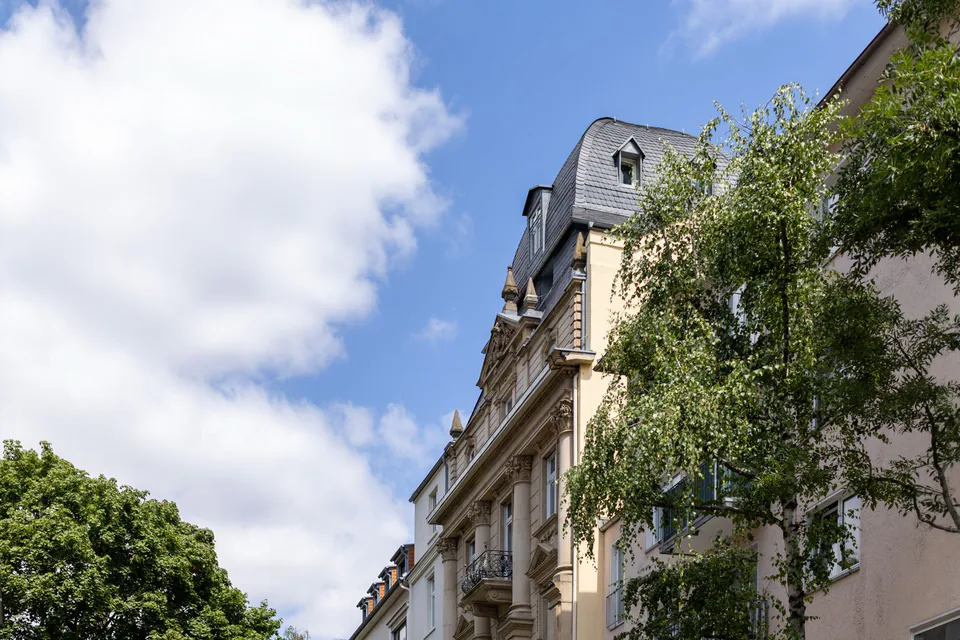
Marktbericht Westend Frankfurt Q3 2026: Was die neuen Angebotsdaten zeigen
Der frühe Marktbericht Q3 2026 zeigt: Westend-Süd hält sein Angebotsniveau, Westend-Nord reagiert selektiver. Eigene Erhebung, Stand 23. Juli 2026.
Artikel lesen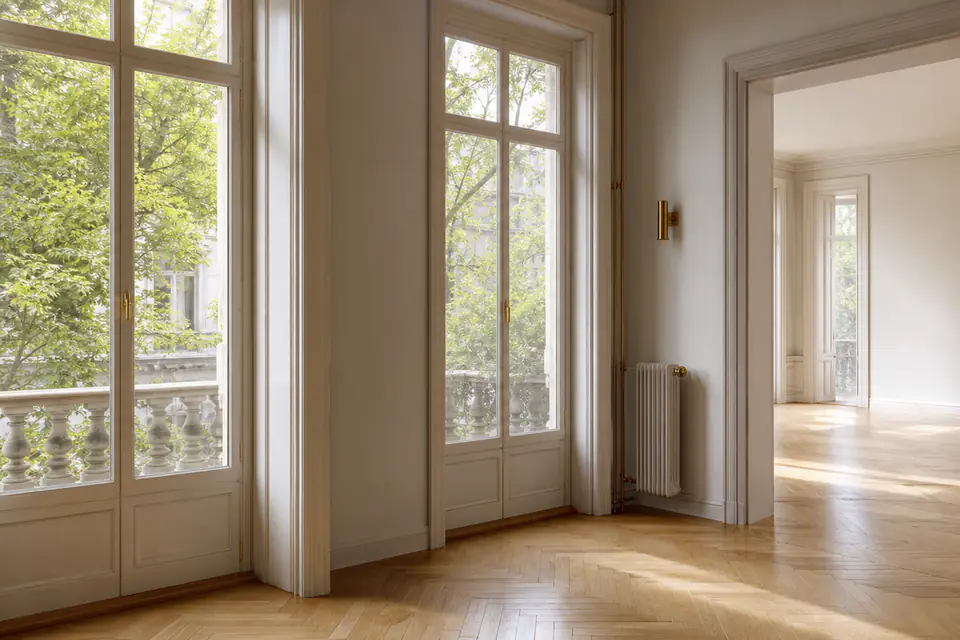
Neuer Mietspiegel Frankfurt 2026: Was Mieter und Vermieter nun wissen müssen
Neuer Mietspiegel Frankfurt 2026: Was Mieter und Vermieter nun wissen müssen Ein Ratgeber von Marc Härter Immobilien | Immobilienmakler in Frankfurt am Main Der Mietspiegel Frankfurt 2026 gilt seit dem 25.06.2026 und weist eine…
Artikel lesen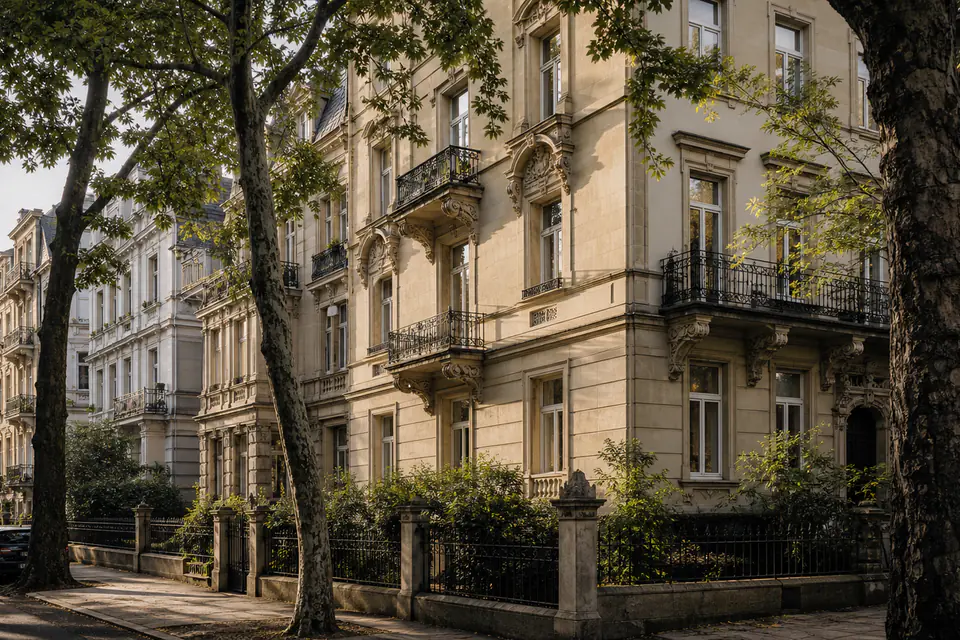
Immobilienpreise Westend Frankfurt Q2 2026: Was kostet eine Wohnung wirklich?
Immobilienpreise Westend Frankfurt Q2 2026: Was kostet eine Wohnung wirklich? Ein Ratgeber von Marc Härter Immobilien | Immobilienmakler in Frankfurt am Main Im Frankfurter Westend kosten Eigentumswohnungen zur Jahresmitte 2026 im…
Artikel lesen